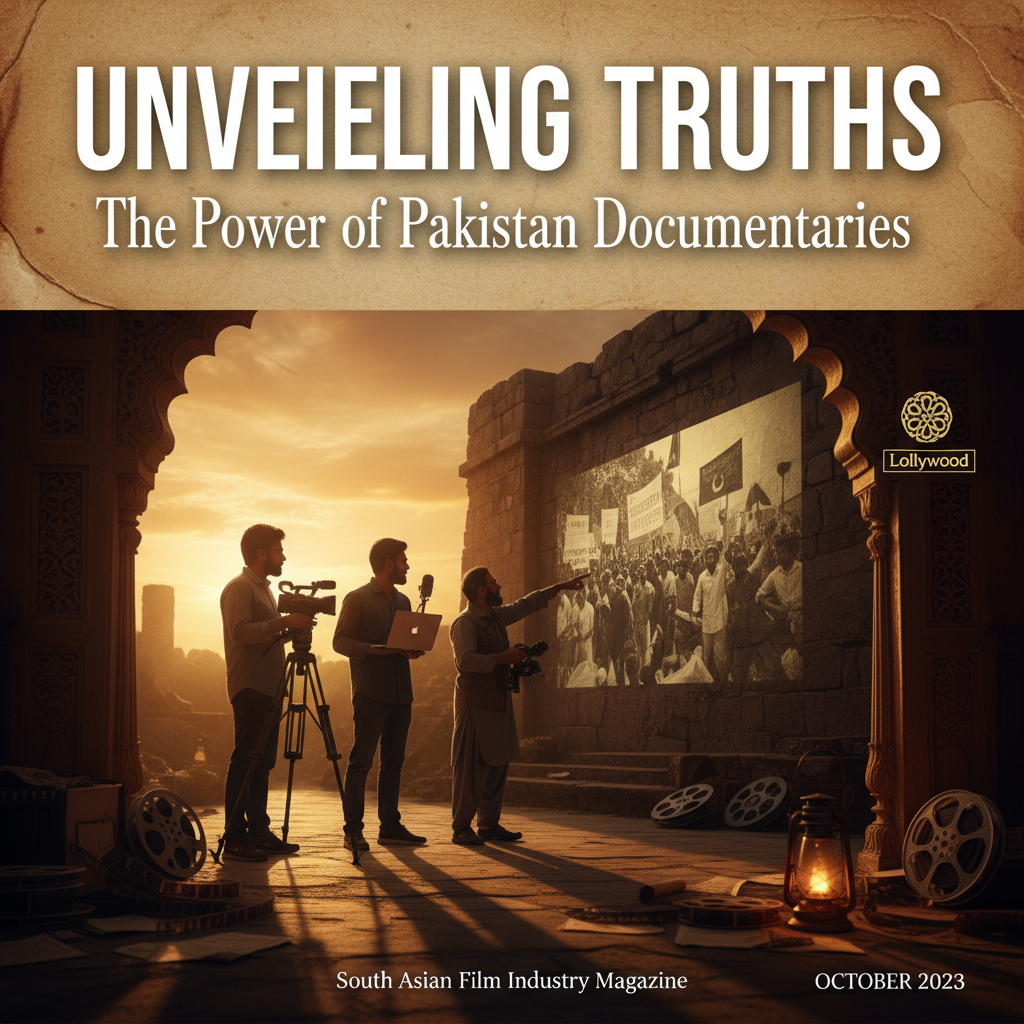
In the vibrant tapestry of Pakistani cinema, while commercial blockbusters like 'The Legend of Maula Jatt' often grab headlines, there's a powerful, often unsung, genre quietly making its mark: the documentary. Pakistani documentaries are not just films; they are windows into the soul of a nation, offering raw, unfiltered perspectives on social issues, historical events, and the indomitable human spirit. They challenge, inform, and inspire, often reaching audiences far beyond our borders.
One cannot discuss Pakistani documentaries without immediately thinking of Sharmeen Obaid-Chinoy. A trailblazer in every sense, Obaid-Chinoy has brought global attention to critical issues within Pakistan, earning two Academy Awards for her work. Her 2012 Oscar-winning short documentary, Saving Face, shed light on the horrific practice of acid attacks, following a British-Pakistani plastic surgeon who returns to Pakistan to help survivors. The film not only raised awareness but also contributed to legislative changes, proving the tangible impact cinema can have. Her second Oscar came in 2016 for A Girl in the River: The Price of Forgiveness, which tackled the brutal reality of honor killings. These films are not easy watches, but their unflinching honesty and powerful narratives have forced conversations that were long overdue.
Beyond Obaid-Chinoy's monumental achievements, a new wave of documentary filmmakers is emerging, each bringing their unique voice and perspective. Take for instance, Mohammed Ali Naqvi's Among the Believers. This thought-provoking documentary delves into the complex world of the Red Mosque (Lal Masjid) in Islamabad and the radicalization of youth, offering a nuanced look at the ideological battlegrounds shaping Pakistan's future. It's a film that sparks debate and encourages deeper understanding of the forces at play within society.
Another compelling work is Maheen Zia's Lyari Notes. This documentary offers a poignant glimpse into the lives of young girls in Karachi's Lyari neighborhood, a place often stereotyped for its challenges. Through the lens of a music school, Zia beautifully captures their dreams, struggles, and resilience, showcasing the transformative power of art and education in even the most difficult circumstances. It's a story of hope and determination that resonates deeply.
Documentaries also play a crucial role in preserving history and cultural heritage. Films that explore the rich Sufi traditions, the ancient ruins of Mohenjo-Daro, or the vibrant folk music of different regions contribute significantly to our collective memory and understanding. They offer a counter-narrative to often-simplistic portrayals, presenting a more complex and beautiful image of Pakistan.
The Pakistani film industry, while still finding its footing in mainstream commercial cinema, has a rich and growing documentary landscape. These films often operate with limited budgets but are fueled by immense passion and a commitment to truth. They are screened at international festivals, sparking dialogue and garnering accolades, proving that powerful storytelling transcends language and borders.
For those looking to understand Pakistan beyond the headlines, to delve into its intricate social fabric, its challenges, and its triumphs, Pakistani documentaries offer an invaluable and often deeply moving experience. They are not just films; they are vital historical records, social commentaries, and powerful calls to action, cementing their place as an indispensable part of our cinematic legacy.