Unveiling Truths: The Most Powerful Pakistani Documentaries You Need to See
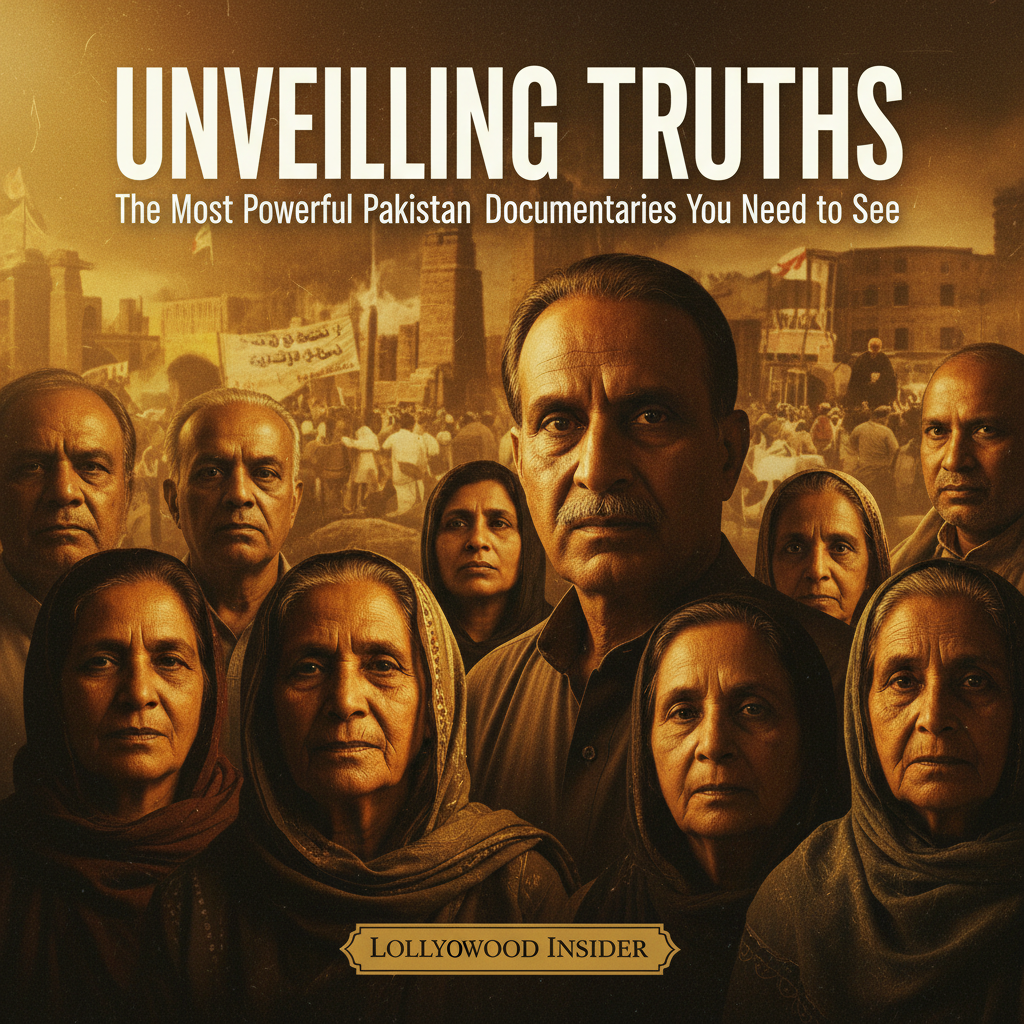
In a landscape often dominated by commercial blockbusters and drama serials, the world of Pakistani documentaries quietly thrives, offering a powerful, unfiltered lens into the nation's soul. These films, often crafted with immense passion and limited resources, delve into subjects ranging from social injustices and environmental crises to cultural heritage and individual resilience, proving that truth can indeed be stranger and more compelling than fiction.
While mainstream cinema often seeks to entertain and escape, documentaries aim to inform, provoke, and inspire. Pakistan, with its complex history, diverse cultures, and pressing social issues, provides an incredibly fertile ground for documentary filmmakers. These storytellers are not just recording events; they are giving voice to the voiceless, shedding light on forgotten corners, and challenging prevailing narratives. They are, in essence, the conscience of our cinematic landscape.
One cannot discuss Pakistani documentaries without immediately thinking of Sharmeen Obaid-Chinoy. A two-time Academy Award winner, Obaid-Chinoy has almost single-handedly brought Pakistani documentary filmmaking into the international spotlight. Her groundbreaking film, Saving Face (2012), which won an Oscar for Best Documentary Short, bravely explored the horrific practice of acid attacks against women in Pakistan, following the journey of survivors and the efforts of a plastic surgeon to help them. The film was not just a critical success; it sparked crucial conversations and contributed to legislative changes, demonstrating the profound impact cinema can have on real-world issues. Her subsequent Oscar win for A Girl in the River: The Price of Forgiveness (2015) continued this trend, focusing on honour killings and further cementing her status as a formidable voice for social justice.
Beyond Obaid-Chinoy's internationally acclaimed works, many other powerful documentaries have emerged from Pakistan. Mohammed Ali Naqvi's Among the Believers (2015) offers a chillingly intimate look at the Red Mosque (Lal Masjid) in Islamabad and the ideological battle for Pakistan's future. It follows the controversial cleric Abdul Aziz Ghazi and the children in his madrassah, providing a nuanced yet unsettling portrait of religious extremism. Naqvi's ability to gain such unprecedented access makes this film a vital, albeit disturbing, piece of contemporary Pakistani history.
Another gem is Maheen Zia's Lyari Notes (2015), a poignant and hopeful film that follows two young girls from Karachi's Lyari neighbourhood as they learn to play rock music. Amidst the backdrop of gang violence and socio-economic challenges, the film beautifully captures their dreams, struggles, and the transformative power of art. It's a testament to the human spirit and the universal language of music, offering a different, more intimate perspective on a community often misrepresented.
Then there's Sarmad Khoosat's Jinnah (1998), a documentary that, while older, remains a significant work. Narrated by Christopher Lee (who also famously played Jinnah in the feature film Jinnah), this documentary provides a comprehensive look at the life and legacy of Pakistan's founder, Muhammad Ali Jinnah. It's an invaluable historical record, offering insights into the complex political landscape that led to the creation of Pakistan.
These films, and many others, are more than just moving pictures; they are windows into the soul of a nation. They tell stories of courage, resilience, and the relentless pursuit of justice. They challenge us to look beyond headlines and stereotypes, to engage with the human experience in all its raw, unvarnished truth. For anyone seeking a deeper understanding of Pakistan, its people, and its challenges, these documentaries are not just recommended viewing – they are essential.
As the Pakistani film industry continues to evolve, the documentary genre remains a crucial space for critical reflection and social commentary. It's a testament to the power of storytelling, reminding us that sometimes, the most impactful narratives are those rooted in reality.