Beyond the Box Office: How Pakistani Cinema Sparks Crucial Conversations
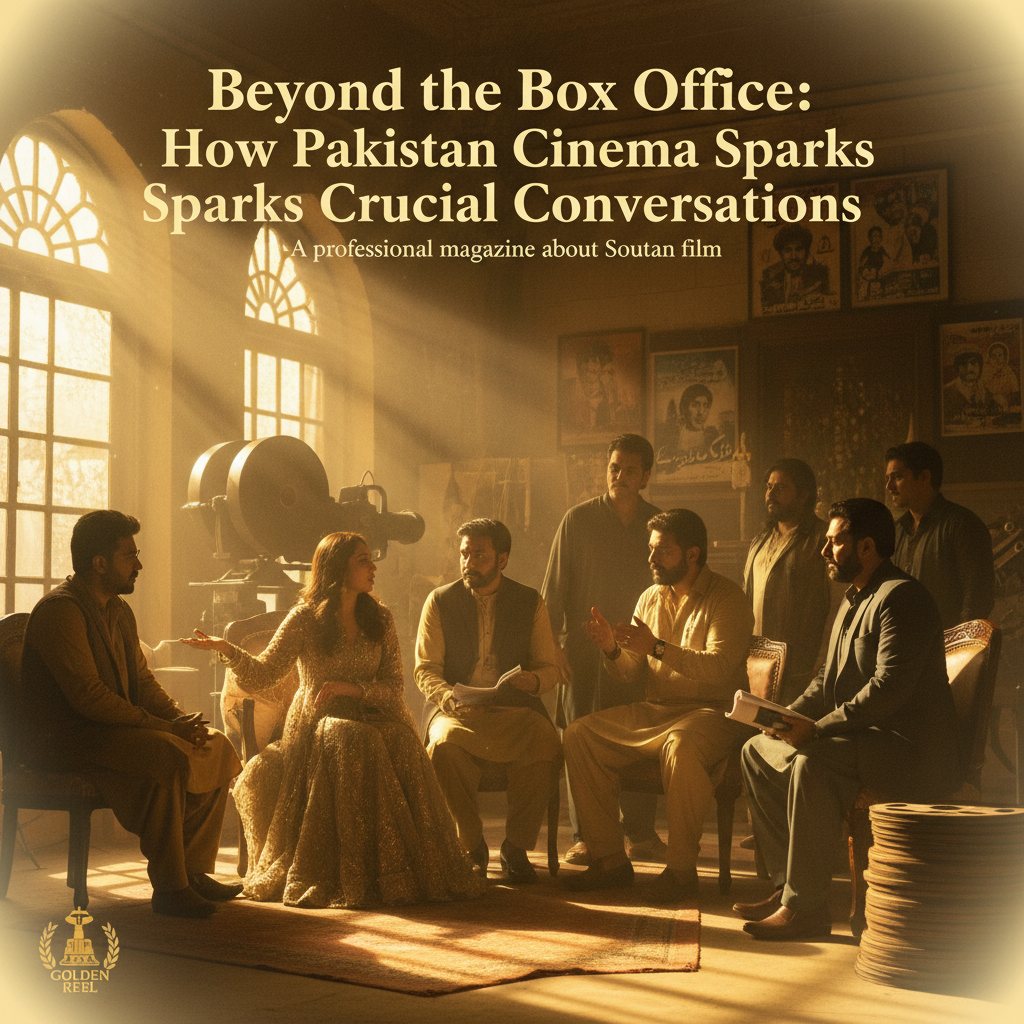
For decades, cinema has been more than just a source of escapism; it's a mirror reflecting society's triumphs and tribulations, a megaphone amplifying voices often unheard, and a catalyst for change. In Pakistan, where the film industry is experiencing a vibrant resurgence, this role is becoming increasingly pronounced. Pakistani films are not just aiming for box office success; they are actively engaging with complex social issues, challenging norms, and initiating crucial conversations.
The journey of Pakistani cinema has been a fascinating one, marked by periods of both immense creativity and significant challenges. After a decline in the late 20th century, the industry has seen a remarkable revival in the last two decades, often dubbed the 'New Wave.' This resurgence isn't just about better production values or bigger budgets; it's also about a renewed commitment to storytelling that resonates deeply with the local audience and addresses contemporary concerns.
Take, for instance, the animated film genre. While often perceived as purely for children, productions like The Donkey King (2018) brilliantly used satire to comment on political systems and leadership. Its immense popularity across all age groups demonstrated that serious messages could be conveyed through accessible and entertaining formats. While The Donkey King 2 is anticipated, the original set a precedent for how animation could be a vehicle for social critique, encouraging audiences to think critically about governance and societal structures without being overtly preachy.
Similarly, the action-packed The Legend of Maula Jatt (2022) transcended its genre. While primarily an epic action drama, its underlying themes of justice, revenge, and the cycle of violence resonated deeply. The film's record-breaking success proved that audiences are eager for grand narratives that, while entertaining, also touch upon fundamental human experiences and societal conflicts. The anticipation for The Legend of Maula Jatt 2 further underscores this hunger for stories that are both spectacular and meaningful.
Beyond these blockbusters, many films, both mainstream and independent, have delved into a myriad of social issues. While specific details about unreleased or lesser-known projects like Ishq Murshid The Movie, Swat Da Gul, and Sohna Jatt are not widely available, the very existence of such diverse titles suggests a burgeoning landscape where filmmakers are exploring different facets of Pakistani life and culture. These films, whether they tackle rural life, urban challenges, romantic entanglements, or historical narratives, contribute to a broader cultural dialogue.
Filmmakers in Pakistan are increasingly using their craft to highlight issues such as women's rights, sectarianism, corruption, poverty, and mental health. By portraying these realities on screen, they not only raise awareness but also humanize complex problems, fostering empathy and encouraging public discourse. A film can often open doors to conversations that might otherwise be difficult to initiate in traditional settings.
The impact of these films extends beyond the cinema halls. They become topics of discussion in homes, workplaces, and social media, prompting people to reflect on their own lives and the society they inhabit. This engagement is crucial for a healthy, evolving society. When a film sparks debate about a social injustice, it pushes the collective consciousness towards seeking solutions.
In an era dominated by digital media, the power of cinema to unite and provoke thought remains undiminished. As Pakistani cinema continues to mature, its role as a social commentator and a catalyst for change will only grow stronger, ensuring that the stories told on screen continue to resonate deeply and contribute meaningfully to the national conversation.