The Soulful Soundtrack: Tracing Music's Enduring Role in Pakistani Cinema
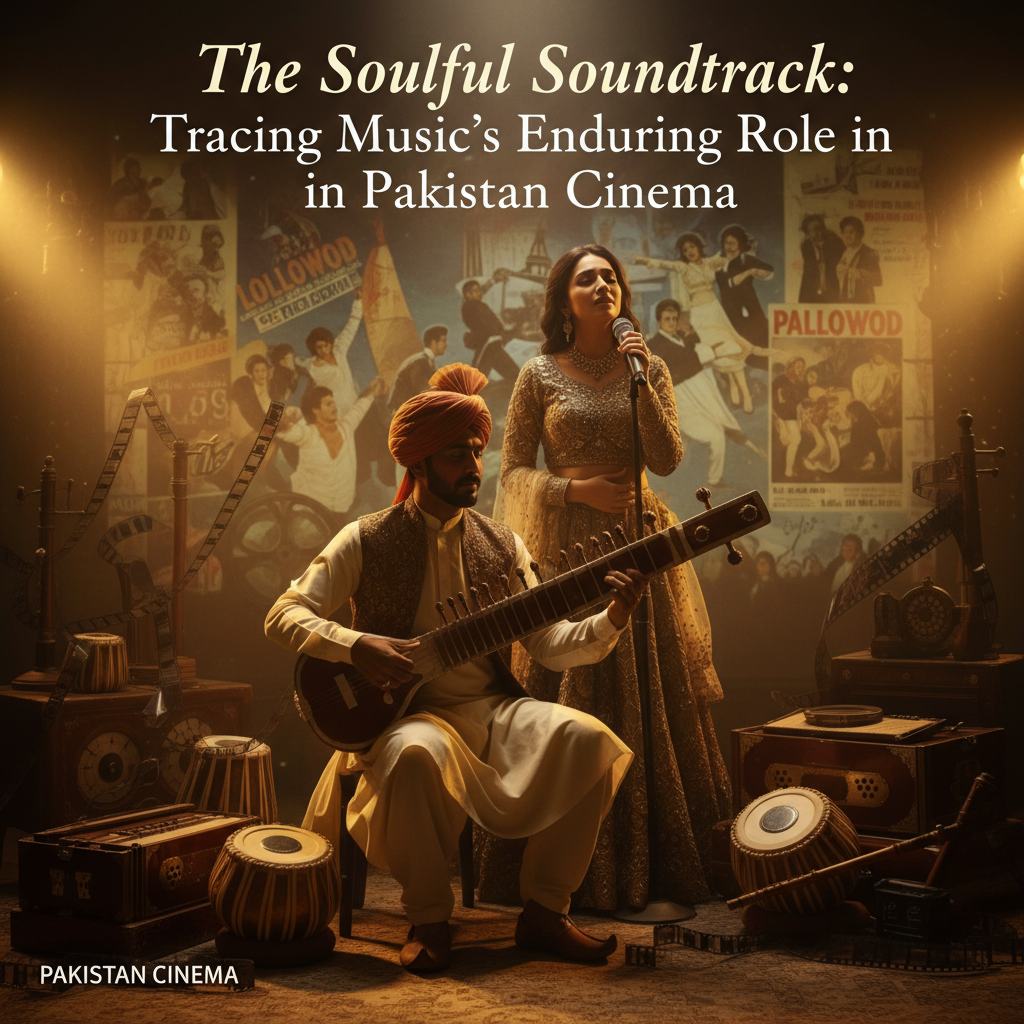
Music in Pakistani cinema isn't just an accompaniment; it's often the very soul of the narrative, a character in itself, and a powerful reflection of the nation's cultural tapestry. From the melodious ghazals and folk tunes of early Lollywood to the contemporary blend of pop, rock, and traditional sounds, film music has consistently captivated audiences and left an indelible mark on our collective memory.
The Golden Era: Where Melodies Reigned Supreme
During the golden age of Pakistani cinema, particularly from the 1960s to the 1980s, music was paramount. Films were often defined by their soundtracks, with songs becoming chart-toppers even before the movie's release. Legendary composers like Khwaja Khurshid Anwar, Nisar Bazmi, Sohail Rana, and Robin Ghosh crafted timeless melodies that transcended generations. Singers such as Noor Jehan, Mehdi Hassan, Ahmed Rushdi, and Runa Laila lent their iconic voices, turning film songs into national anthems.
These songs weren't just filler; they advanced the plot, expressed characters' emotions, and often served as the primary draw for audiences. A romantic ballad, a poignant lament, or an upbeat dance number could make or break a film's commercial success. The lyrical depth, often penned by renowned poets, added another layer of sophistication, making these compositions miniature works of art.
The Shifting Sands: Challenges and Revival
As the industry faced a decline in the late 20th century, the quality and prominence of film music also suffered. The focus shifted, and while some memorable tunes emerged, the consistent brilliance of the golden era became harder to find. The rise of television and independent music further diversified entertainment options, challenging cinema's monopoly on musical content.
However, with the revival of Pakistani cinema in the 21st century, music has once again found its footing, albeit in a transformed landscape. Modern filmmakers understand the power of a strong soundtrack in attracting younger audiences and creating viral moments. The approach has become more eclectic, incorporating global influences while retaining a distinct Pakistani flavour.
Contemporary Sounds: A Fusion of Old and New
Today's Pakistani film music is a vibrant mix. We see a blend of traditional instruments and folk influences with contemporary genres like pop, rock, and electronic music. Composers are experimenting with soundscapes that are both globally appealing and rooted in local sensibilities. For instance, films like The Legend of Maula Jatt (while the sequel The Legend of Maula Jatt 2 is anticipated) have showcased how powerful, culturally resonant music can elevate a cinematic experience, drawing heavily on folk and traditional Punjabi themes to create an epic feel.
Animated films like The Donkey King 2 (the sequel to the highly successful The Donkey King) also rely on catchy, family-friendly tunes to engage their target audience, proving that music's role spans all genres. Even television dramas that are later adapted into films, such as the much-anticipated Ishq Murshid The Movie, often bring with them popular OSTs that have already garnered a massive following, demonstrating the cross-pollination of musical success between mediums.
Filmmakers are also increasingly collaborating with popular music artists, leveraging their existing fan bases and bringing fresh perspectives to film scores. This has led to soundtracks that are not only integral to the film's narrative but also stand alone as successful music albums.
The Enduring Legacy
Whether it's the classical melodies that defined an era or the modern, genre-bending tracks that resonate with today's youth, music remains an indispensable component of Pakistani cinema. It continues to be a medium through which stories are told, emotions are amplified, and cultural heritage is celebrated. As the industry evolves, one thing remains constant: the soulful soundtrack will always be the beating heart of Pakistani films, connecting audiences to the magic on screen, one note at a time.